History of Modern Public Education
Build mindless, obedient soldiers
PUBLIC SCHOOLING SOLUTIONS | PART 1
Shveta Dhamankar
2/20/20262 min read
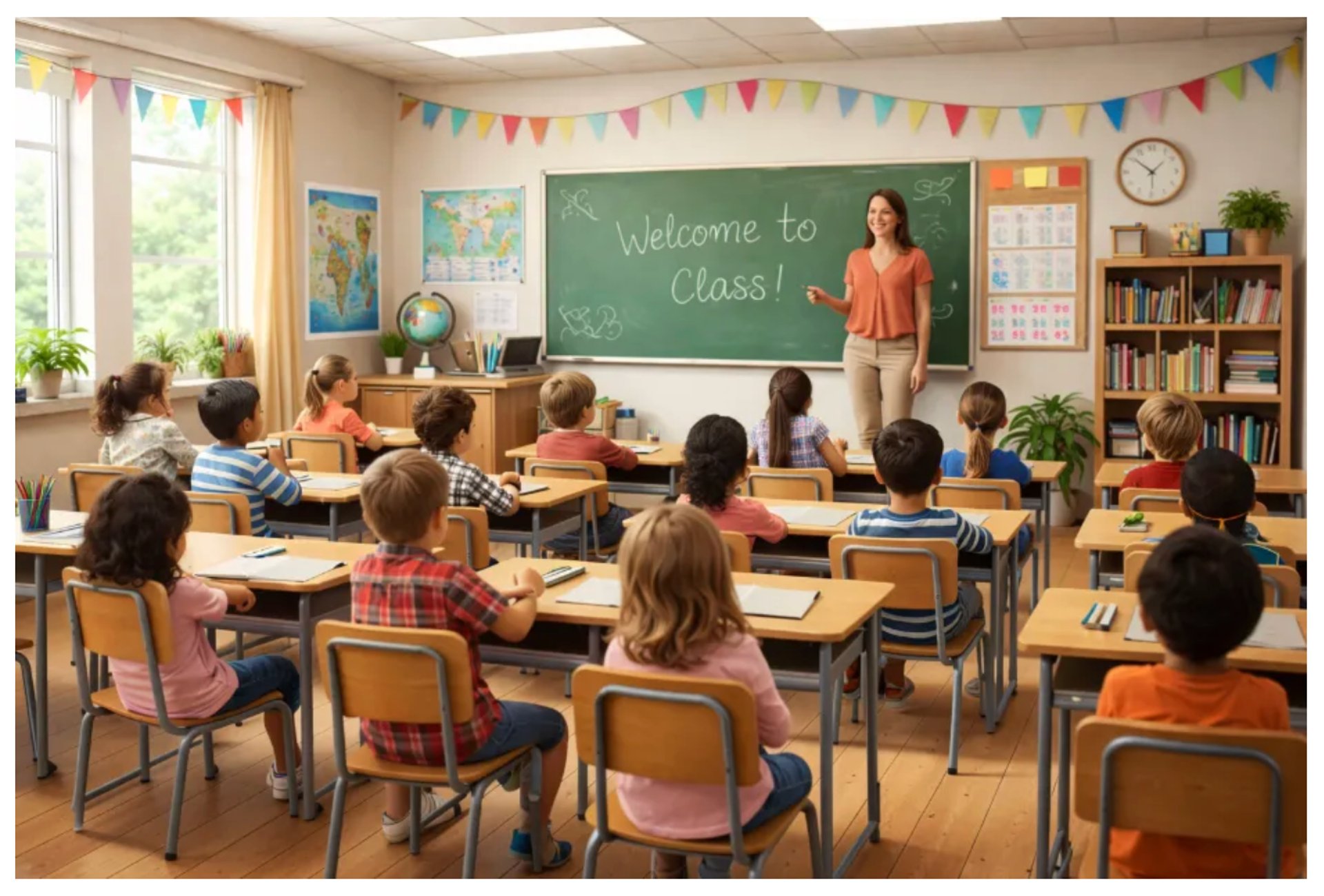
Public schooling systems the world over are largely based on the Prussian system which had the intent of creating, mindless obedient soldiers not creative, critical thinkers. This article tells the history of the existing public school system and its dire consequences. Is it school or is it a warehouse? How to bring about change in such a system?
— — — — — — — — — — — — — — — — — — — — — — — — — — — — — — — — — — — — — — — ——
The history of modern public education in India, US and most of Europe started in 1806 when Napoleon decisively defeated the Prussians. In response to this defeat, the Prussians built an education system that was designed to create obedient, mindless soldiers. It was not even designed for children. The state wanted control over how the kids think — or did not think. Prussia wanted compliant soldiers, not critical thinkers.
In 1843, Horace Mann, known as the ‘Father of American Education’ brough the Prussian ‘one-size-fits-all’ model to the United States. He was convinced this would work to produce good, orderly citizens. By 1849, this system had gained serious traction in Europe as well. Remember, this system was meant to create mindless, obedient soldiers. It is no wonder that the current structure of schools with bells to mark the end or beginning of the hour, standardized testing procedures, cut-and-dry curriculum are reminiscent of a military station.
Fast-forward to 1760 through 1840 and we have the first industrial revolution. People are flocking from the villages to the cities to get a job on the assemby line. Here again, the goal of the factory owner is to create obedient workers who work their shift diligently. The second industrial revolution during the late 19th and early 20th century brought the world its first billionaire, John D. Rockefeller, who once said ‘I do not want a nation of thinkers, I want a nation of workers.’ One of his ‘philanthropic’ initiatives was the creation of the General Education Board (GEB) in 1902. On the outside, the goal was “the promotion of education within the United States of America, without distinction of race, sex, or creed.”[1]. However, this is clearly not the sole intention as Frederick Taylor Gates, a close advisor to Rockfeller, writes about his vision in ‘“Occasional Papers №1” for the General Education Board:
“In our dreams, we have limitless resources, and the people yield themselves with perfect docility to our moulding hand.”
The goal of this 200 year old education system was never to unleash potential. It was always about standardization and convenience. During the times of war and later the industrial age, I will hazard a bet and say these ideals were warranted. Factory styled schooling systems were meant to allow workers to succeed on the assembly line or throw caution to the wind and fight for one’s country. But those are not the challenges we are facing now. Staring at one person, sitting in one classroom, taking standardized tests is not going a prepare a young mind for the challenges of today. Given the rise of nuclear families, instilling a moral framework is another responsibility schools have.
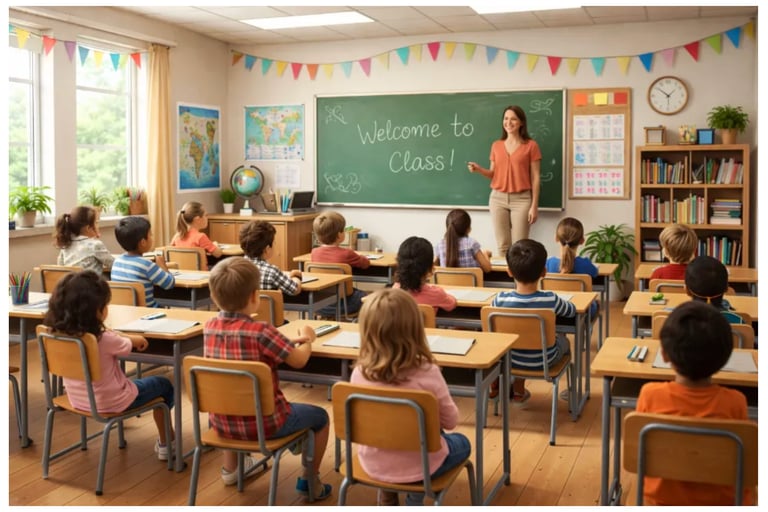
Although, I do not have a solution yet, I do know that the current system with bells, desks, standardized tests and a rigid curriculum is archaic. I will continue thinking about what this new school ought to be like. I will finish this essay by showing two pictures. The first one is from a textile mill during the industrial revolution and the second one is an image of a classroom created by ChatGPT. Which one is a classroom and which one is a warehouse?
Citations:
[1] “General Education Board: Purpose and Program,” Rockefeller Archive Center (RAC), Family Records, Rockefeller Boards, GEB, III 2 O, Box 15, Folder 145.
Join My Journey
Get fresh stories and updates every week
Contact
leters@shvetadhamankar.com